- "Maintaining a Proud Tradition of Excellence since 1885"
- 973.664.0250
- info@sanitaryconstruction.com


NJDOT Prequalification for Site Contractors: What It Is and Why It Counts
October 5, 2026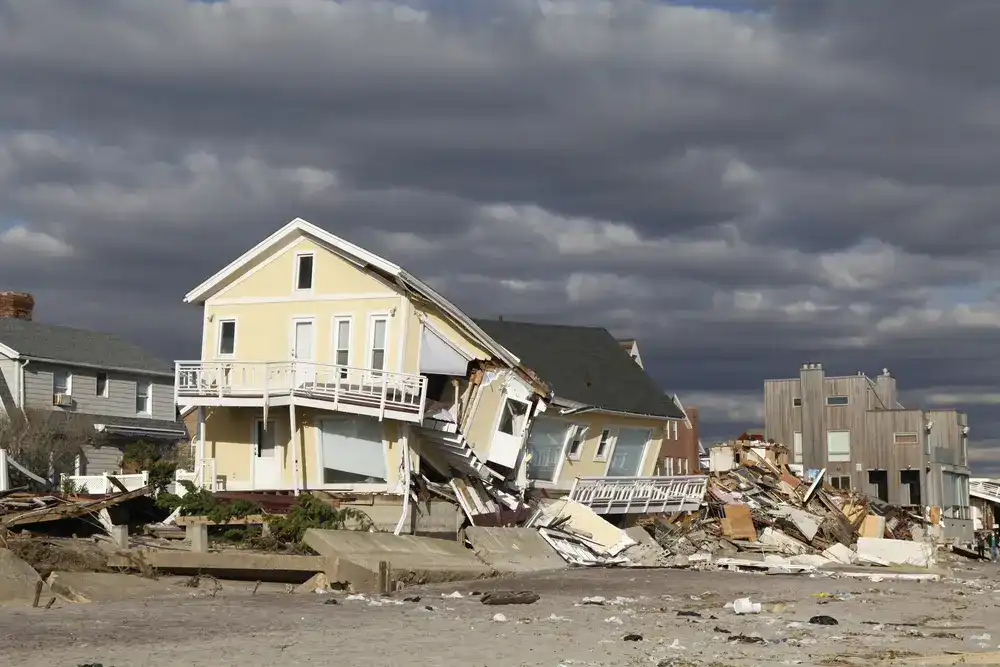
Introduction
Hurricane Ida’s remnants struck New Jersey on September 1, 2021, delivering unprecedented rainfall that overwhelmed stormwater infrastructure across the state, flooded streets and basements, and exposed the vulnerability of aging municipal utility systems to extreme weather events. The storm caused an estimated $225 million in public infrastructure damage in New Jersey — and served as a stark reminder that the state’s utility infrastructure, much of it designed decades ago for lower rainfall intensities, is not built for the climate conditions communities are experiencing today.
For municipal engineers and public works directors, the aftermath of a major storm event involves both immediate emergency response and longer-term capital planning. This article addresses how municipalities should approach post-storm infrastructure assessment and repair, and how to build greater resilience into utility systems to reduce the impact of future events.
Immediate Post-Storm Assessment Priorities
In the days immediately following a major storm event, municipal engineers and public works staff must prioritize assessment of the most critical and most visible infrastructure failures:
- Road washouts and undermined pavement: Undermined road sections are an immediate safety hazard and must be barricaded and assessed for structural integrity before reopening to traffic.
- Storm drain system failures: Collapsed inlets, surcharging manholes, and blocked culverts contribute to ongoing flooding and must be located and cleared.
- Sanitary sewer inflow and infiltration: Major storm events dramatically increase flows in sanitary sewer systems through inflow (direct stormwater connections) and infiltration (groundwater through pipe defects). Identifying and quantifying I/I sources is essential for planning remediation.
- Streambank and channel erosion: Channels that were modified or eroded during the storm event need to be assessed for stability and for impacts on adjacent utilities and structures.
- Utility system damage: Water mains, force mains, and electrical infrastructure in flooded areas may have sustained damage that is not immediately visible. Pressure testing and CCTV inspection should be part of the post-storm assessment protocol.
Emergency vs. Permanent Repair: Making the Right Call
After a major storm event, municipalities face pressure to restore service and normal function quickly. Emergency repairs — temporary measures that restore access or service without addressing root cause — are sometimes necessary in the short term. But emergency repairs that are allowed to become permanent repairs frequently create ongoing maintenance problems and increased vulnerability to future events.
A disciplined post-storm repair program distinguishes between emergency stabilization and permanent remediation, and develops a capital project scope for permanent fixes based on a thorough engineering assessment. This distinction matters for FEMA Public Assistance funding, which reimburses the cost of permanent repairs but may not cover temporary measures that could have been more cost-effectively addressed through permanent work.
FEMA Public Assistance and NJ State Hazard Mitigation
Major storm events that receive Presidential Disaster Declarations trigger FEMA Public Assistance funding, which can reimburse municipalities for up to 75 percent of eligible repair costs. New Jersey has an active FEMA relationship, with multiple open disasters related to Hurricane Ida and other storm events.
Municipalities seeking FEMA reimbursement must document damage carefully — photographs, field measurements, and cost estimates must be assembled and submitted through the FEMA PA process. Projects also have the opportunity to seek hazard mitigation funding under Section 406 of the Stafford Act, which allows applicants to include mitigation measures in their repair projects that reduce the risk of future damage.
The NJ Office of Emergency Management and the NJ Department of Community Affairs administer the state’s participation in FEMA PA and hazard mitigation programs. Municipal engineers who understand the documentation requirements and program rules are significantly better positioned to maximize reimbursement.
Building Resilience into Utility Repair Projects
Post-storm repair projects are an opportunity to not just restore what was there before, but to build in resilience improvements that reduce vulnerability to future events. For stormwater infrastructure, this might mean upsizing culverts and storm sewers to handle higher design storm events, adding detention capacity, or implementing green infrastructure practices that reduce peak runoff volumes.
For sanitary sewer systems, post-storm I/I remediation — lining deteriorated pipes, replacing defective manholes, and eliminating illegal stormwater connections — reduces the risk of sanitary sewer overflows during future storm events, which carry both environmental and regulatory consequences under NJDEP’s SSO policy.
For water distribution systems, post-storm repairs are an opportunity to replace aging cast iron pipe with ductile iron or PVC, add isolation valves that improve emergency response capability, and upgrade service connections that are vulnerable to soil movement and settlement.
Contractor Selection for Emergency and Permanent Repair Work
Post-storm repair work demands contractors who can mobilize quickly, work in difficult conditions, and execute complex utility repair scopes with the precision that permanent infrastructure requires. The urgency of post-storm conditions sometimes leads municipalities to award work without adequate contractor vetting — a mistake that frequently produces repairs that fail prematurely.
Municipalities should maintain a pre-qualified emergency response contractor list that can be activated immediately after a disaster event. Pre-qualification agreements that establish pricing mechanisms, scope templates, and contractual terms in advance allow work to begin quickly without sacrificing contractor quality standards.
Conclusion
Major storm events are becoming more frequent and more severe in New Jersey. Municipalities that invest in systematic post-storm assessment, rigorous documentation for FEMA reimbursement, and resilience-focused repair programs will be better prepared for future events. The time to develop those protocols — and to build relationships with the contractors who can execute them — is before the next storm, not after it.
Ready to discuss your project? Contact Sanitary Construction Company at (973) 664-0250 or info@sanitaryconstruction.com. Visit us at sanitaryconstruction.com.